“places of origin” search results (7000)
Category of coffee Coffee benefits to the human body how does the coffee taste
Flavor (mix) coffee: generally have blue mountain flavor (blue mountain coffee); Brazilian flavor coffee (Brazilian coffee); Colombian coffee (Colombian flavor coffee); mocha coffee (mocha flavor); Mantenin coffee (Mantenin style). These coffees are usually returned to the lower grade of beans from the place of origin, which is relatively cheap than the beans from the highest place of origin! (these coffees are usually added to one
2016-05-25 Coffee category human body benefits taste how flavor blending coffee general
Origin flavor of Salvadoran coffee
Taste characteristics: sour, bitter, sweet mild and moderate. Salvadoran coffee ranks side by side with Mexico and Guatemala as the producers of Asa and Merdo, and is fighting for the top one or two places in China and the United States with other countries. The highlands of origin are large coffee beans of all sizes, which are fragrant and mild in taste. Like Guatemala and Costa Rica, coffee in El Salvador is based on altitude.
2016-05-29 El Salvador coffee origin flavor taste characteristics sweetness mild moderate sa
Will the coffee taste better than the original coffee?
Before blending any coffee, you should first understand the taste characteristics of all kinds of coffee, and at least make it clear in your heart that the taste of the kind of coffee you want to mix can not be achieved by any single coffee. It would be a pity if the blended coffee doesn't taste better than one or more of them. It would be better not to match. If you use which qualities
2016-06-21 Coffee mix come out will be better than the original flavor okay any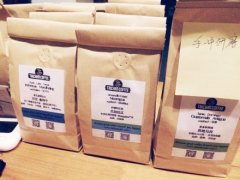
The era of online shopping of coffee beans teaches you how to choose coffee beans
In the era of online shopping, in the face of dazzling goods, coffee beans are the key to drinking good coffee. In online shopping to buy good coffee beans absolutely need certain skills, friends quickly and Xiaobian together to develop a pair of fire eyes gold. The criteria for choosing coffee beans are similar to those for choosing tea. If you want the most expensive and exquisite tea, you need to go to the place of origin to buy the best quality new tea produced that year.
2015-02-13 Coffee beans shopping online shopping the times teach you how to select face
An introduction to the characteristics and Origin of Costa Rican Coffee
Costa Rican coffee has full particles, ideal acidity and unique strong flavor. Costa Rica's coffee industry, originally controlled by the Costa Rican Coffee Industry Company (InstitutodelCafdeCostaRica, ICAFE), has been taken over by the official Coffee Committee (OficinadelCaf). In exported coffee, those products that are considered to be of substandard quality are used in blue.
2016-06-12 Costa Rica coffee characteristics origin introduction granules
Introduction to the origin of fine coffee beans Hawaiian Kona coffee Hawaiian coffee
In Hawaii, you can watch the fiery sunset sink into the red-orange sea, feel the fresh air filled with the scent of flowers, and sit by the sea and drink a cup of Kona coffee. I'm afraid there is no place in the world that can offer you such enjoyment. The earliest settlers in Hawaii arrived here between 300 and 400 AD, and historians speculate that they came from the Marcos group.
2015-12-14 Boutique coffee beans Hawaii Kona coffee origin introduction can
Coffee Culture History The Origin of the Name of Mandolin Coffee
Mantenin is not the name of a region, a place, a port, or a coffee variety. How did it get its name? In fact, it is a pronunciation error of the Mandheling ethnic group in Indonesia. During the Japanese occupation of Indonesia in World War II, a Japanese soldier drank excellent coffee in a cafe and asked the owner the name of the coffee. The owner mistook him for asking where he was
2015-04-02 Coffee Cultural History Mante Name Origin Not District Name Place Name Port
The History of Coffee utensils the Origin of Belgian pots
The Belgian pot is a kind of special coffee pot. Today, the ornamental value of the Belgian pot is much greater than its practical value. People who buy Belgian pots rarely use Belgian pots to make coffee and are more likely to decorate them. After all, the Belgian pot gets its name from the fact that it was invented in the 19th century and was used exclusively by the Belgian royal family. Because of its exquisite and ingenious structure and gorgeous appearance, the Belgian pot got its name.
2014-11-06 Coffee knowledge coffee utensils Belgian pot
A brief history of the origin and development of coffee
No one knows about the place where coffee was born, and there are different opinions about the origin of coffee. In order to get an accurate answer, coffee experts and botanists investigated coffee and found that Ethiopia in Africa is the hometown of coffee. According to the current investigation, there are still a large number of unknown wild coffee trees in the African rainforest region, whose fruit flavor is unique and received by experts.
2015-08-31 Coffee origin development brief history about coffee birth place no one knows right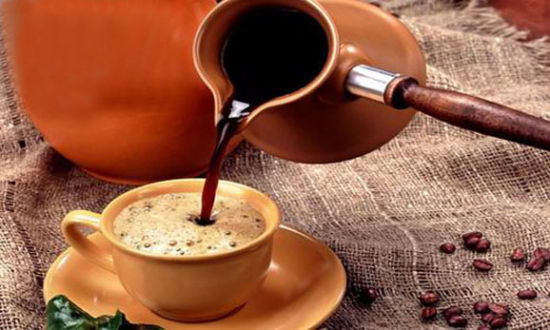
Coffee Culture Coffee Culture Origin of Coffee Culture and Origin of Coffee Culture
In China, people like drinking coffee more and more. The coffee culture that follows is full of every moment of life. People are tasting coffee at home, in the office, or on various social occasions: it is gradually associated with fashion | modern life. Coffee houses everywhere have become good places for people to talk, listen to music and rest. Coffee gradually developed into a culture. None
2016-03-03 Coffee culture origin places history China people more and more love to drink coffee
The more famous coffee origin introduces fine coffee.
The origin of coffee beans and most of the coffee beans in circulation on the market are distinguished by their origin. The following lists some of the coffee mainly produced and famous, with brand or place names in parentheses: Latin America (Central and South America) Brazil: Santos (Santos), Bahia (Bahia), Serrado (Cerrado), Mojiana (Mogiana) Mexico: Coatep
2016-06-30 Comparison famous coffee origin introduction boutique coffee beans court stream
About the mixing of coffee beans
People need to put coffee from different places together for several different purposes. The ideal goal, of course, is to piece together a coffee that tastes better than any of them. But generally speaking, Arabica coffee from a single origin is enough to make coffee that tastes good for export; it has a delicate flavor, a soft taste and a sweet aftertaste. So there is no need to match (that is, different places of origin
2014-08-06 About coffee beans mixed people several kinds different purpose to put origin coffee
Coffee preservation tips suitable for storing coffee place
As time and processing increase, coffee life will decrease; proper storage methods can extend coffee shelf life. Coffee should be stored in a dry, cool place and must not be kept in the refrigerator to avoid moisture absorption. Coffee beans and ground coffee can be frozen, the only caveat is that when taking coffee out of the freezer,
2015-06-08 coffee preservation tips fit storage place with time processing program
A suitable place to store coffee
With the increase of time and processing procedures, the life of coffee will be reduced; the appropriate storage method can prolong the shelf life of coffee.
2014-07-17 Coffee knowledge storage coffee coffee preservation coffee encyclopedia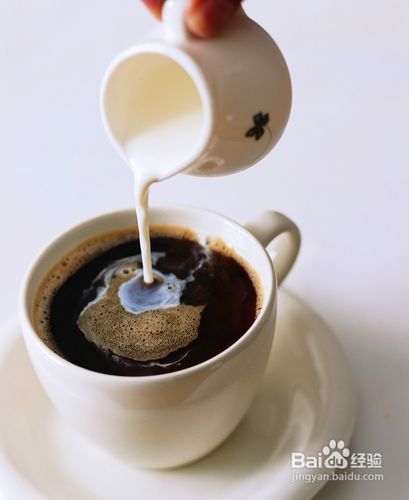
The Origin characteristics of Indonesian Coffee name
Manning is not the name of the producing area, the place name, the port name, nor the name of the coffee breed. How did it get its name? In fact, it is the transliteration of the mandheling people in Mandaining, Indonesia. During the Japanese occupation of Indonesia during World War II, a Japanese soldier drank mellow coffee in a cafe, so he asked the shopkeeper the name of the coffee.
2016-05-29 Indonesia coffee name origin characteristics Mante not district name place name
Interpretation of coffee bean hemp bag
1. The bean-producing area / manor / cooperative Fedecocagua, known as Federation of Cooperatives of coffee from Guatemala, was established in Guatemala in 69 to assist small-scale farmers, provide new planting techniques or loans, and help find ways to sell so that their lives can be improved. There are similar organizations in other places, such as in Brazil.
2014-08-26 Coffee bean sack coffee bean storage
Panamanian Jadeite Manor Rosa Coffee Flavor description characteristics of Grinding degree introduction of varieties
[country of origin]: Panama [producing area]: Boquete [altitude]: 1550-1700 m [Manor]: jadeite Manor [treatment]: Wet-Process Style washing [Grade]: SHB [large]
2016-10-11 Panama Jade Manor Rose Summer Coffee Flavor description Grinding characteristics varieties
Fine coffee tastes mild and coffee beans from different places
Mocha's first impression of you may be fancy coffee with chocolate and milk, but the coffee beans grown in the Yemeni mocha are also called mochas. Yemeni Moqamatali uses a special sun treatment, and the sour taste has become her most unique charming flavor. Because of Matali's special way of handling, it makes her bring a special earthy smell. If you use her to make black coffee, hers
2016-05-24 Boutique coffee taste mild different origin coffee beans mocha yours first
The common sense of fine coffee the origin of the name of Mantenin coffee
Manning is not the name of the producing area, the place name, the port name, nor the name of the coffee breed. How did it get its name? In fact, it is a phonetic error of the mandheling people in Mandaining, Indonesia. During the Japanese occupation of Indonesia during World War II, a Japanese soldier drank mellow coffee in a cafe, so he asked the shopkeeper the name of the coffee, and the boss mistook him for asking where you were.
2015-02-12 Boutique coffee common sense Mant name origin not district name place name
Coffee producing area in Indonesia
First, the origin and famous products of coffee. The main coffee beverage in the world is made from the extract of coffee beans. Coffee beans are a pair of beans wrapped in a hard shell inside the coffee fruit. There are two ways to take out the coffee beans. one is to spread the coffee fruit and expose it to the sun for about 3 weeks. after the coffee fruit is quite dry, peel off the pulp and shell by mechanical force, and take out the coffee.
2016-05-25 Indonesia coffee origin